


Fence panels are one of the most practical and stylish ways to secure and enhance residential and commercial properties. Whether you want privacy, safety, or a decorative boundary, fence panels offer a ready-made and efficient solution. In this blog, you will learn what fence panels are, the different types available, popular materials used, their common uses, and a simple installation guide. By the end of this article, you will have a clear understanding of how fence panels can improve your property’s security, appearance, and value.
What Are Fence Panels?
An aluminum curtain wall is a non-load-bearing exterior wall system that is attached to the main structure of a building. Unlike traditional walls, it does not carry the building’s weight. Instead, it acts as a protective outer skin that shields the building from wind, rain, heat, and dust while giving it a modern appearance.
These systems are usually made of lightweight aluminum frames combined with glass, aluminum panels, or stone. Aluminum is commonly used because it is strong, durable, corrosion-resistant, and easy to maintain.
What Are Fence Panels?
Fence panels are pre-constructed sections of fencing that are installed between posts to create a boundary around a property. Unlike building a fence piece by piece, fence panels come ready-made, making installation faster and more convenient.
They are commonly used in:
- Residential homes
- Villas and gardens
- Commercial properties
- Warehouses
- Construction sites
Fence panels are available in various designs, heights, and materials to match different needs and preferences.
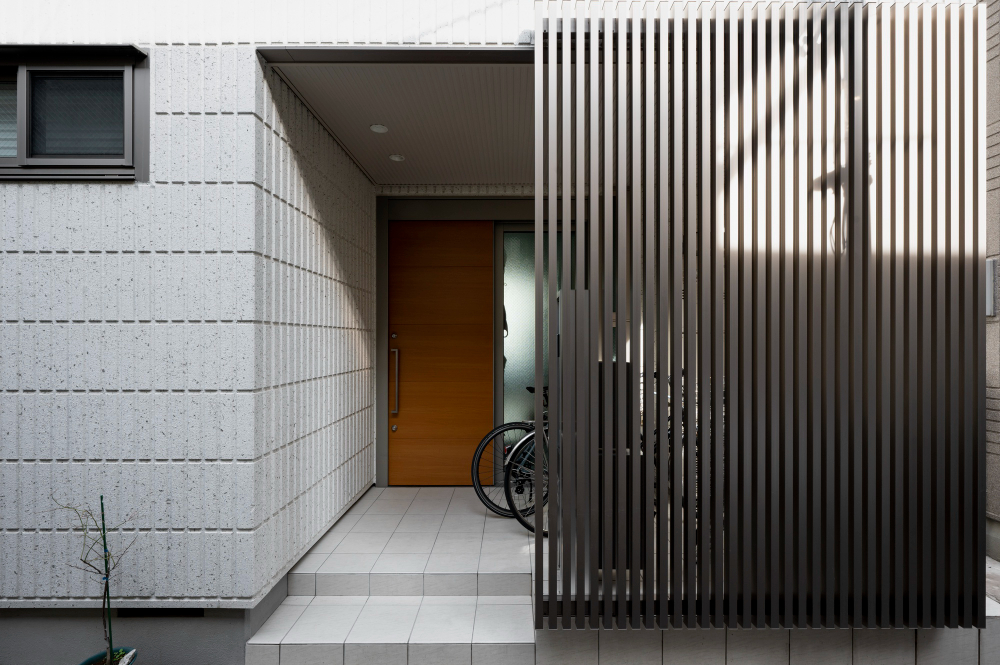
Why Fence Panels Are a Popular Choice
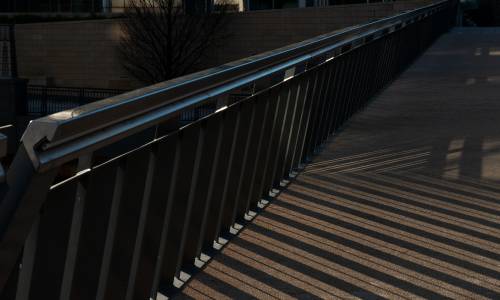
Fence panels have become increasingly popular due to their versatility and efficiency. Property owners prefer them because they offer:
- Quick installation
- Strong security
- Enhanced privacy
- Modern and clean appearance
- Cost-effective boundary solutions
They are a practical choice for both small and large properties.
Types of Fence Panels
There are different types of fence panels designed to serve various purposes. Choosing the right type depends on your security needs, privacy level, and aesthetic preference.
1. Privacy Fence Panels
Privacy panels are solid and block visibility from outside. These are ideal for homes and properties where privacy is important.
Benefits include:
- Complete visual blockage
- Noise reduction
- Increased security
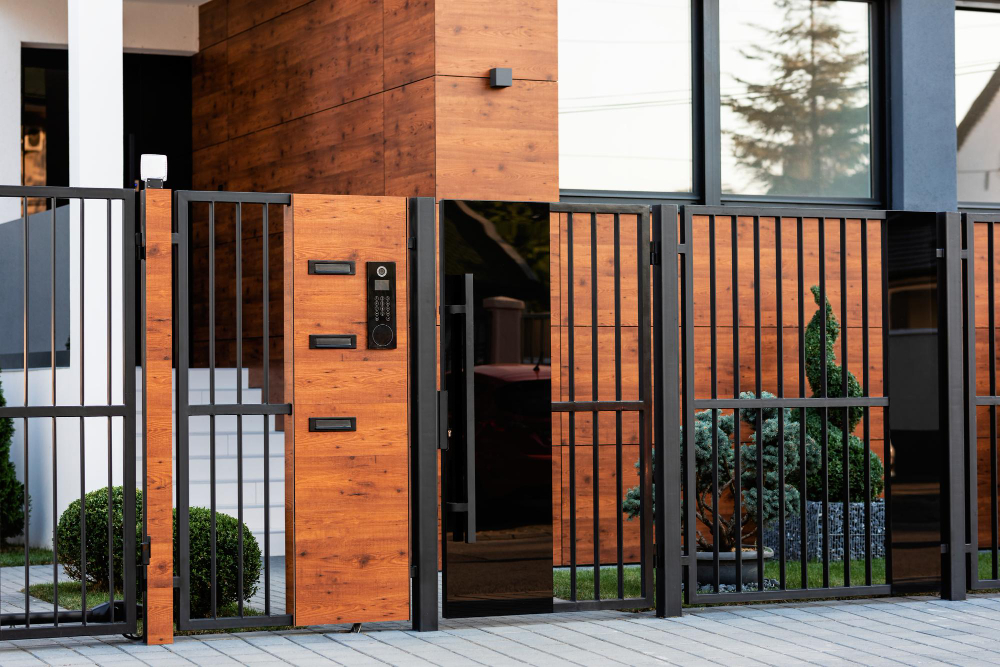
2. Decorative Fence Panels
Privacy panels are solid and block visibility from outside. These are ideal for homes and properties where privacy is important.
Benefits include:
- Complete visual blockage
- Noise reduction
- Increased security
3. Security Fence Panels
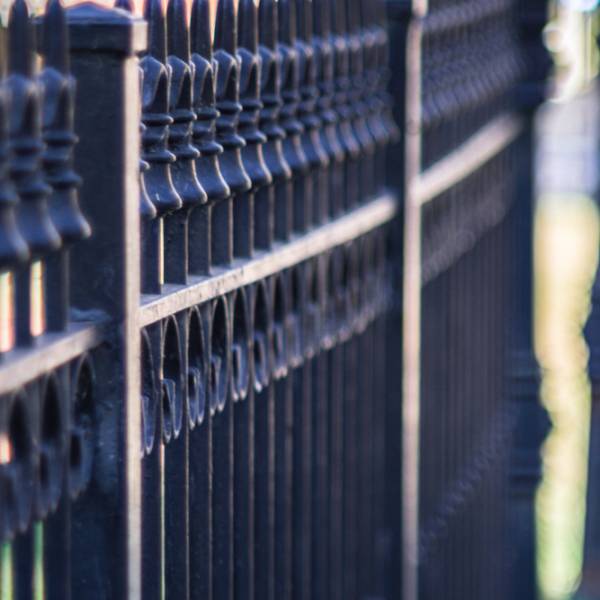
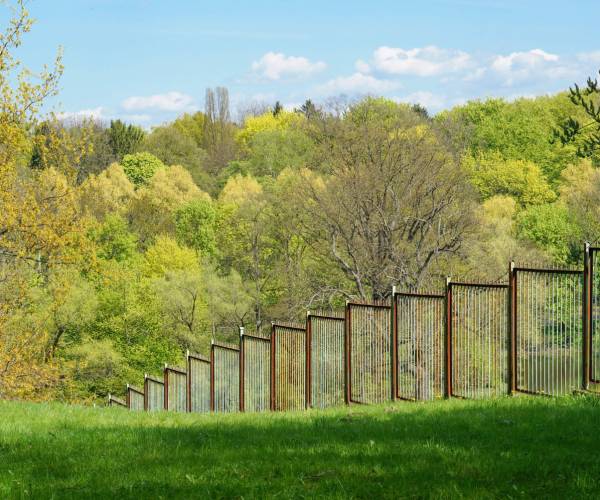
Security fence panels are designed for maximum strength and protection. They are often made from metal and include reinforced structures.
Common uses:
- Commercial buildings
- Warehouses
- Industrial areas
4. Lattice Fence Panels
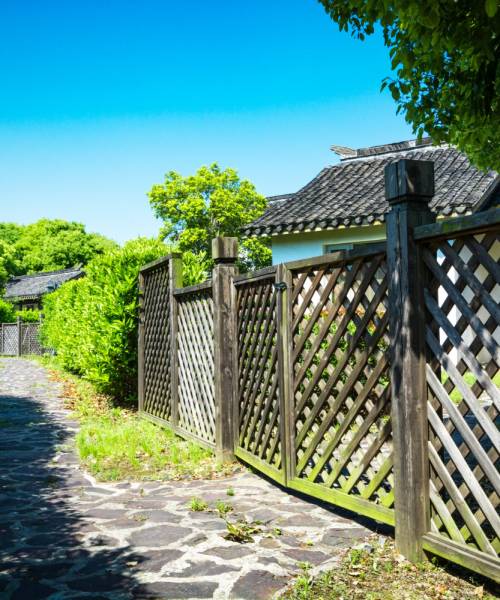
Lattice panels feature crisscross or open patterns. They allow airflow while maintaining partial privacy.
Ideal for:
- Garden areas
- Patio spaces
- Decorative boundary sections
Materials Used for Fence Panels
The material you choose plays a major role in durability, maintenance, and appearance. Below are the most common materials used for fence panels.
1. Metal Fence Panels
Metal panels are strong, durable, and low-maintenance. They are commonly made from:
- Aluminum
- Steel
- Wrought iron
Advantages:
- Long lifespan
- High security
- Weather resistance
- Modern appearance
2. Wooden Fence Panels
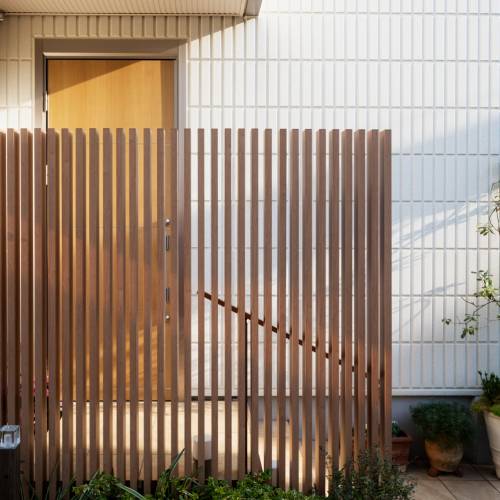
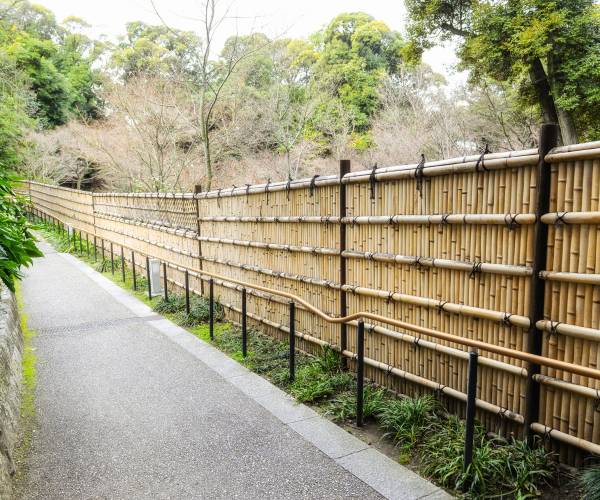
Wood is a traditional fencing material that offers a natural look.
Benefits:
- Warm and classic style
- Customizable design
- Suitable for residential spaces
However, wood may require regular maintenance to prevent damage from moisture and heat.
3. PVC or Vinyl Fence Panels
PVC panels are lightweight and low-maintenance.
Advantages:
- Resistant to moisture
- Easy to clean
- Long-lasting
They are a good option for properties looking for a clean and simple finish.
4. Composite Fence Panels
Composite panels combine wood fibers and plastic materials.
Benefits include:
- Strong durability
- Low maintenance
- Modern design appeal
These panels offer a balance between style and performance.
Common Uses of Fence Panels
Fence panels serve multiple purposes beyond just marking property boundaries.
1. Property Security
Fence panels act as a physical barrier that protects against unauthorized access.
2. Privacy Protection
Solid panels prevent outside visibility, giving homeowners peace of mind.
3. Aesthetic Enhancement
Stylish panels improve curb appeal and complement architectural design.
4. Safety for Children and Pets
Fence panels create a secure environment where children and pets can move safely.
5. Noise Reduction
Certain fence panel designs can help reduce external noise, creating a quieter living space.
Fence Panel Installation Guide
Proper installation is essential for durability and performance. Below is a simple guide to understanding how fence panels are installed.

Step 1: Planning and Measurement
- Measure the boundary area
- Decide the panel height and type
- Mark post positions
Accurate planning ensures a balanced and aligned fence.
Step 2: Installing Fence Posts
Posts provide structural support for fence panels. They should be:
- Placed at equal distances
- Secured firmly in concrete
- Properly aligned
Strong posts ensure the fence remains stable over time.
Step 3: Attaching Fence Panels
Once the posts are set, panels are fixed between them using brackets or fasteners.
- Ensure level alignment
- Secure tightly for stability
- Check for gaps or uneven spacing
Step 4: Final Inspection
After installation:
- Inspect all joints and fasteners
- Ensure stability
- Confirm proper alignment
Professional installation ensures long-lasting performance and reduces future repair costs.
Maintenance Tips for Fence Panels
To keep fence panels in good condition:
- Clean regularly to remove dust and debris
- Inspect for loose fittings
- Apply protective coatings if needed
- Check posts for stability
Proper maintenance extends the lifespan and keeps the fence looking new.
Choosing the Right Fence Panels for Your Property
When selecting fence panels, consider:
- Purpose (security, privacy, decoration)
- Material durability
- Maintenance requirements
- Property style
- Budget
Consulting professionals can help you choose the most suitable option for long-term value.
Conclusion
Fence panels are a practical, secure, and stylish solution for defining property boundaries. With various types and materials available, they can meet different needs ranging from privacy and security to aesthetic enhancement. Proper installation and material selection ensure long-term durability and performance. Whether you are upgrading your property’s security or improving its visual appeal, investing in high-quality fence panels is a smart decision. For reliable design, supply, and professional installation services, Al Alam Al Thahabi provides trusted fencing solutions customized to your property needs.