


Choosing the right windows for your home or commercial space is more important than it may seem. Windows affect not only the appearance of your property but also its ventilation, insulation, durability, and long-term maintenance.
In the UAE, where extreme heat, dust, and humidity are common, selecting the right material becomes even more critical. Two of the most popular choices today are aluminium windows and uPVC windows.
If you’re trying to decide between the two, this guide on aluminium windows vs uPVC windows UAE will help you understand the differences, advantages, and best use cases, so you can make an informed decision.
What Are Aluminium Windows?
Aluminium windows are made from lightweight yet strong metal frames. They are widely used in modern architecture due to their sleek appearance and durability.
Key Features:
- Slim and modern frames
- High strength and durability
- Resistant to rust and corrosion
- Suitable for large glass panels
Aluminium windows are commonly used in villas, offices, high-rise buildings, and commercial spaces across the UAE.
What are uPVC Windows?
uPVC (unplasticized polyvinyl chloride) windows are made from a rigid plastic material designed specifically for construction purposes. They are known for their insulation properties and cost-effectiveness.
Key Features
- Excellent thermal insulation
- Soundproofing capabilities
- Low maintenance
- Cost-effective
uPVC windows are often preferred for residential homes and apartments.
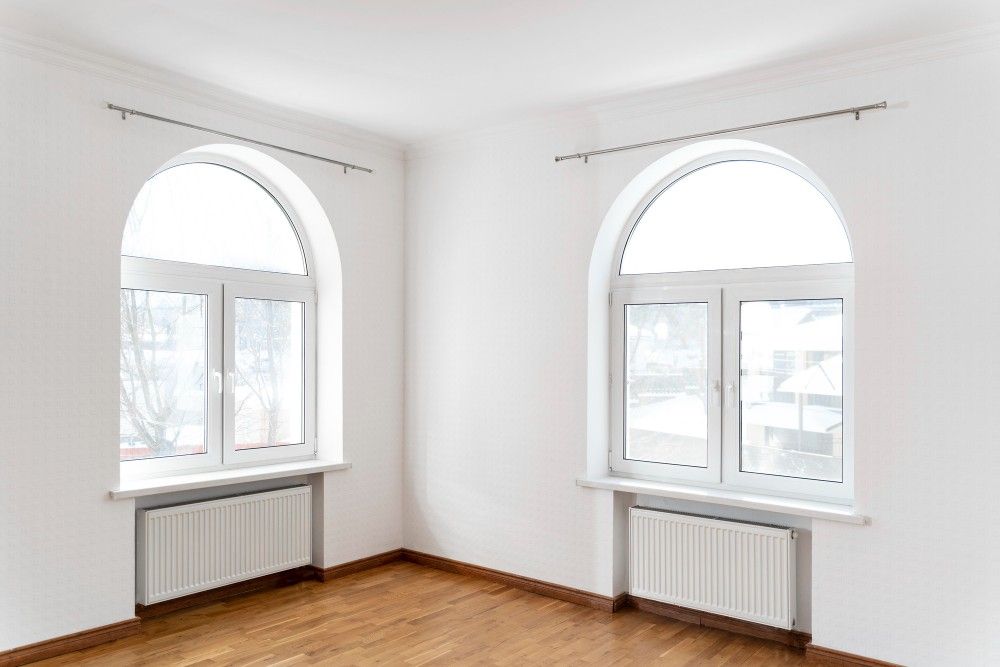
Aluminium Windows vs uPVC Windows UAE: Key Differences
1. Durability and Strength
Aluminium Windows:
Aluminium is extremely strong and can withstand harsh weather conditions like heat, sandstorms, and humidity. It doesn’t warp or crack easily, making it ideal for long-term use.
uPVC Windows:
uPVC is durable but not as strong as aluminium. Over time, it may expand or contract due to extreme temperatures.
Result: Aluminium windows for strength and longevity
2. Thermal Insulation
Aluminium Windows:
Aluminium is a conductor of heat, which means it can transfer heat inside if not treated with thermal breaks.
uPVC Windows:
uPVC is a natural insulator and helps keep indoor temperatures stable, reducing energy consumption.
Result: uPVC windows for better insulation

3. Aesthetic Appeal
Aluminium Windows:
Offers a sleek, modern, and premium look. Slim frames allow for larger glass areas, giving a clean and elegant finish.
uPVC Windows:
Generally bulkier in appearance and available in limited design options compared to aluminium.
4. Maintenance Requirements
Aluminium Windows:
Requires minimal maintenance. Occasional cleaning is enough to keep them in good condition.
uPVC Windows:
Also low maintenance, but may discolour over time if exposed to harsh sunlight for long periods.
Result: Both are low maintenance, but aluminium performs better over time in UAE conditions
5. Cost Comparison
Aluminium Windows:
Usually more expensive due to durability, strength, and a premium finish.
uPVC Windows:
More budget-friendly and ideal for cost-conscious homeowners.
Result: uPVC windows for affordability
6. Weather Resistance (UAE Conditions)
The UAE climate is one of the toughest factors to consider.
Aluminium Windows:
Highly resistant to heat, humidity, and sand. Performs exceptionally well in extreme weather.
uPVC Windows:
Can handle heat but may expand or lose shape over time in extreme conditions.
Result: Aluminium windows for the UAE weather
7. Sound Insulation
Aluminium Windows:
Provides decent sound insulation, especially when combined with double glazing.
uPVC Windows:
Naturally better at blocking external noise.
Result: uPVC windows for soundproofing

Pros and Cons Summary
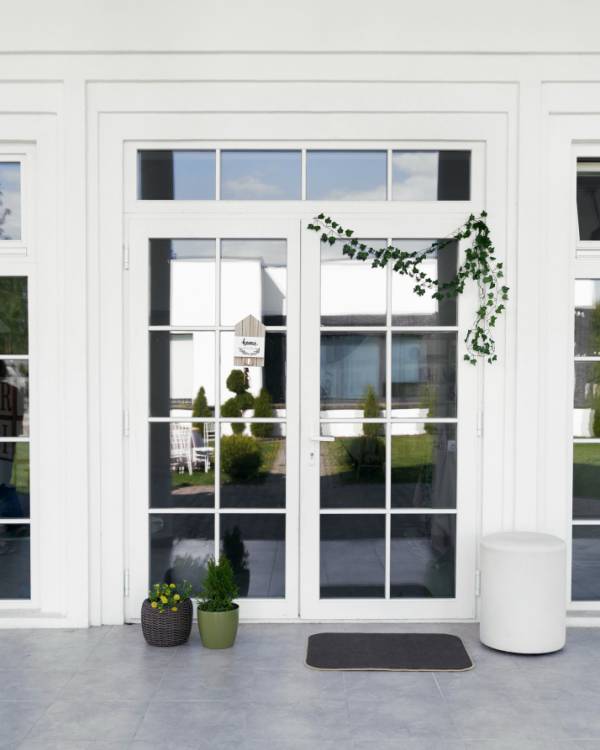
Aluminium Windows
Pros:
- Strong and durable
- Modern and stylish appearance
- Ideal for large windows
- Resistant to harsh weather
Cons:
- Higher cost
- Lower natural insulation
uPVC Windows
Pros:
- Excellent insulation
- Budget-friendly
- Good soundproofing
- Low maintenance
Cons:
- Bulkier design
- Less durable in extreme conditions
- Limited design flexibility
Best Use Cases: Which One Should You Choose?
Choose Aluminium Windows If:
- You want a modern, premium look
- You’re designing a villa, office, or commercial space
- Large glass panels are part of your design
- You need durability for the UAE weather
Choose uPVC Windows If:
- You are working with a limited budget
- Insulation and energy efficiency are your priorities
- You want better noise reduction
- You’re designing a standard residential space
Can You Combine Both?
Yes, in some cases, combining both materials can be beneficial.
For example:
- Aluminium windows for exterior-facing areas
- uPVC windows for interior or less exposed spaces
This allows you to balance cost, performance, and design.
Factors to Consider Before Making a Decision

Before choosing between aluminium and uPVC windows, consider:
- Your budget
- Type of property (residential or commercial)
- Exposure to sunlight and heat
- Design preferences
- Energy efficiency requirements
Taking these factors into account will help you make informed long-term investment decisions.
Why Choosing the Right Supplier Matters
Regardless of the material you choose, the quality of installation and materials plays a significant role in performance.
A reliable supplier will:
- Offer high-quality materials
- Provide proper installation
- Customize designs based on your needs
- Ensure durability and long-term value
Conclusion
When comparing aluminium windows vs uPVC windows UAE, the right choice depends on your priorities.
- Aluminium windows are ideal for durability, modern design, and handling harsh UAE conditions.
- uPVC windows are better for insulation, affordability, and soundproofing.
Both options have their strengths, and the best choice comes down to your specific needs and budget. For premium-quality window solutions, Al Alam Al Thahabi offers expertly crafted aluminium window installations designed to suit UAE conditions, helping you achieve the perfect balance of style, performance, and durability for your space.