


When designing a modern home, office, or commercial space, railings are more than just a safety feature because they play a major role in the overall look and feel of the space. Whether it’s a staircase, balcony, or terrace, choosing the right railing material can completely transform your interiors or exteriors.
Two of the most popular options today are glass handrails and stainless steel railings. Both offer a modern aesthetic and durability, but they differ in performance, maintenance, cost, and usability.
If you’re confused about which one to choose, this guide on Glass Handrail vs Stainless Steel Railings will help you understand the pros, cons, and best use cases, so you can make the right decision for your space.
What is a Glass Handrail?
A glass handrail uses tempered or laminated safety glass panels, often supported by metal frames or clamps. These railings are designed to provide safety while maintaining a clean and open look.
Glass handrails are commonly used in:
- Balconies and terraces
- Staircases
- Pool areas
- Commercial spaces like malls and offices
Their biggest advantage is visual openness, as they allow natural light to pass through and keep views unobstructed.
What are Stainless Steel Railings?
Stainless steel railings are made using high-quality steel (usually grade 304 or 316) and are known for their strength and durability. They can be designed in various styles, including pipes, rods, cables, or even combined with glass.
These railings are widely used in:
- Staircases
- Walkways
- Commercial buildings
- Industrial spaces
They offer a solid, structured look and are highly reliable in both indoor and outdoor environments.
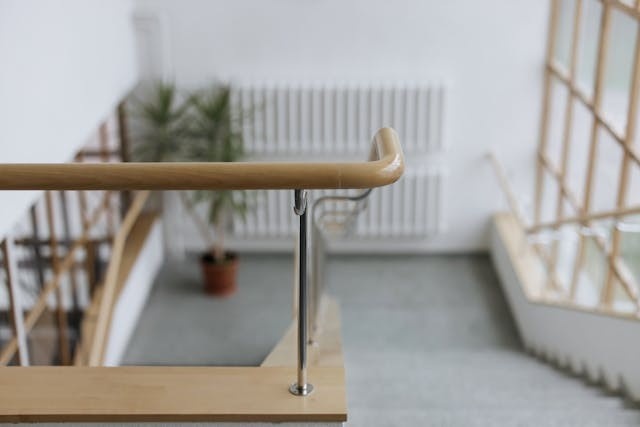
Glass Handrail vs Stainless Steel Railings: Key Differences
1. Aesthetic Appeal
One of the biggest deciding factors is how each option looks.
Glass Handrails:
- Sleek, modern, and luxurious
- Creates a sense of openness
- Makes small spaces feel larger and brighter
- Ideal for contemporary architecture
Stainless Steel Railings:
- Strong, structured, and timeless
- Offers a clean industrial or modern look
- Works well in both traditional and modern designs
Glass railings are often preferred when design and visual impact are the priority, as they maximize light and visibility.
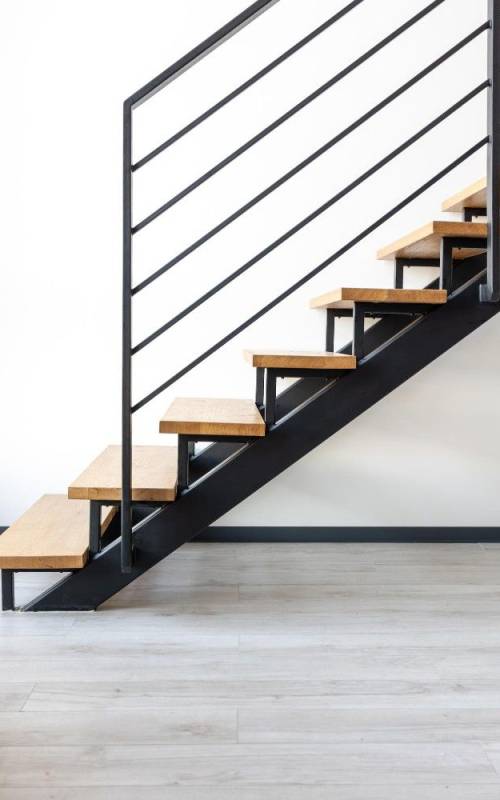
2. Durability & Strength
Durability is a key factor, especially for long-term use.
Glass Handrails:
- Made from toughened or laminated safety glass
- Strong under normal conditions
- Can crack or chip under heavy impact
Stainless Steel Railings:
- Extremely durable and impact-resistant
- Resistant to corrosion and weather conditions
- Ideal for heavy-use areas
In terms of raw strength and reliability, stainless steel railings have a clear advantage.
3. Maintenance Requirements
Maintenance is often overlooked but plays a big role in long-term satisfaction.
Glass Handrails:
- Require frequent cleaning
- Fingerprints, dust, and water stains are visible
- Need regular upkeep to maintain clarity
Stainless Steel Railings:
- Low maintenance
- Occasional cleaning is enough
- More forgiving in daily use
If you prefer something easy to maintain, stainless steel is the better choice.
4. Safety Considerations
Safety is the primary purpose of any railing system.
Glass Handrails:
- Safe when made with tempered or laminated glass
- No gaps, making them child-friendly
- Must be installed correctly to meet safety standards
Stainless Steel Railings:
- Strong and stable
- Offers a firm grip, especially for staircases
- Safer in high-traffic or industrial areas
Both options are safe when installed professionally, but stainless steel offers more structural confidence in high-impact environments.
5. Cost Comparison
Budget is often a deciding factor for many homeowners and businesses.
Glass Handrails:
- Higher cost due to materials and installation
- Customization and design increase pricing
Stainless Steel Railings:
- More affordable
- Predictable pricing
- Lower long-term maintenance costs
In general, stainless steel railings are more budget-friendly compared to glass systems.
6. Weather Resistance
For outdoor applications, weather resistance is crucial.
Glass Handrails:
- Resistant to rust and corrosion
- Can be affected by impact or environmental debris
Stainless Steel Railings:
- Highly resistant to rust (especially grade 316)
- Performs well in harsh weather and coastal areas
Stainless steel is often the preferred option for outdoor and high-exposure environments.
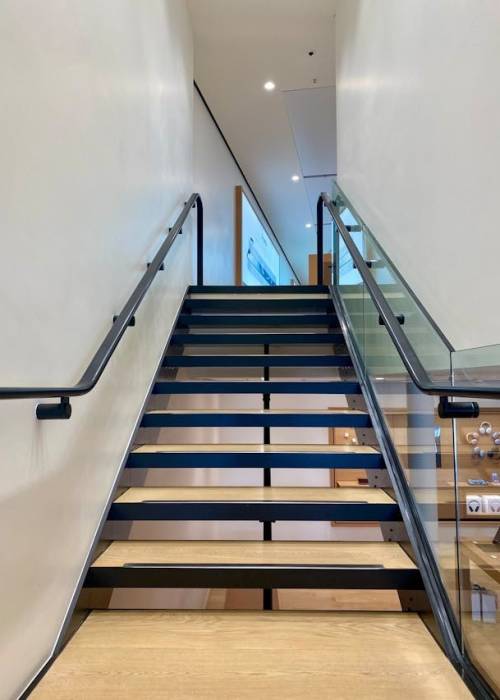
Pros and Cons Summary
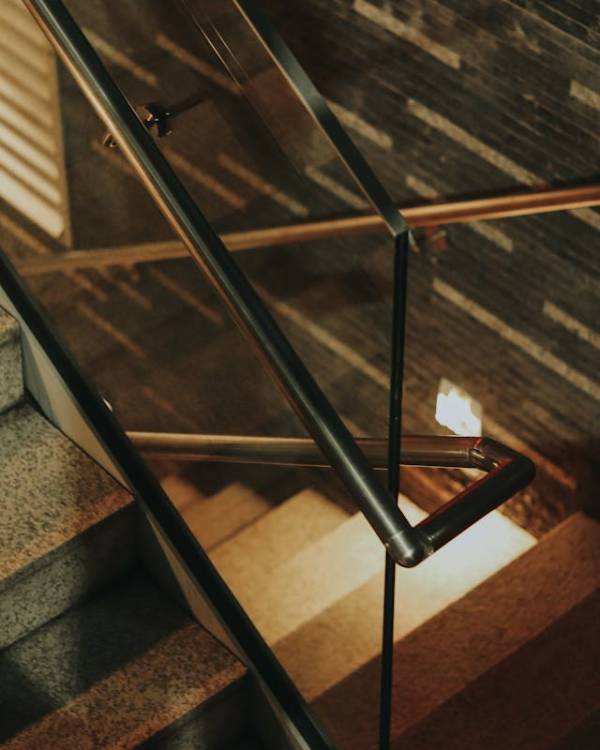
Glass Handrails
Pros:
- Modern and luxurious appearance
- Enhances natural light
- Unobstructed views
- Safe with no gaps
Cons:
- Higher cost
- Requires frequent cleaning
- Can crack under strong impact
Stainless Steel Railings
Pros:
- Extremely durable
- Low maintenance
- Cost-effective
- Suitable for high-traffic areas
Cons:
- Less visually open
- Slightly more industrial look
- May not offer the same luxury feel as glass
Best Use Cases: Which One Should You Choose?
Choose Glass Handrails If:
- You want a premium, modern look
- Your space has a view you want to highlight
- You’re designing a luxury home or commercial space
- Natural light and openness are important
Glass railings are ideal for balconies, terraces, and high-end interiors where aesthetics matter most.
Choose Stainless Steel Railings If:
- Durability and strength are your top priorities
- You need a low-maintenance solution
- The area experiences heavy usage
- You’re working within a budget
Stainless steel is perfect for staircases, commercial buildings, and outdoor areas.
Can You Combine Both?
Yes—and this is actually a popular modern solution.
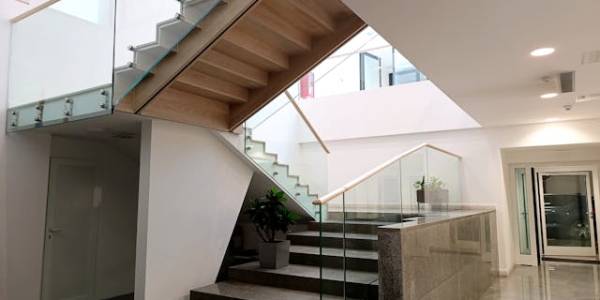
Many designs combine glass panels with stainless steel frames or handrails, offering the best of both worlds:
- Strength from steel
- Elegance from glass
This hybrid approach is widely used in modern architecture for both residential and commercial projects.
Factors to Consider Before Making a Decision
Before choosing between aluminium and uPVC windows, consider:
- Your budget
- Type of property (residential or commercial)
- Exposure to sunlight and heat
- Design preferences
- Energy efficiency requirements
Taking these factors into account will help you make informed long-term investment decisions.
Why Choosing the Right Supplier Matters
No matter which option you choose, quality and installation play a crucial role in performance and safety.
A reliable supplier will:
- Use high-quality materials
- Ensure proper installation
- Customize designs based on your needs
- Follow safety standards
At Al Alam Al Thahabi, the focus is on delivering premium railing solutions that balance design, durability, and functionality, which help you achieve the perfect finish for your space.
Conclusion
When comparing Glass Handrail vs Stainless Steel Railings, there is no one-size-fits-all answer. The right choice depends on your priorities.
- If you value aesthetics, openness, and a modern look, glass handrails are the way to go.
- If you prioritize durability, cost-effectiveness, and low maintenance, stainless steel railings are the better option.
Understanding your space, usage, and budget will help you make the best decision. And if you want the perfect balance, combining both materials can give you a stylish and practical solution. For high-quality, customised railing solutions, Al Alam Al Thahabi offers expert craftsmanship and reliable installation services tailored to your needs, ensuring your space is not only safe but also visually impressive.